
What You Need To Know
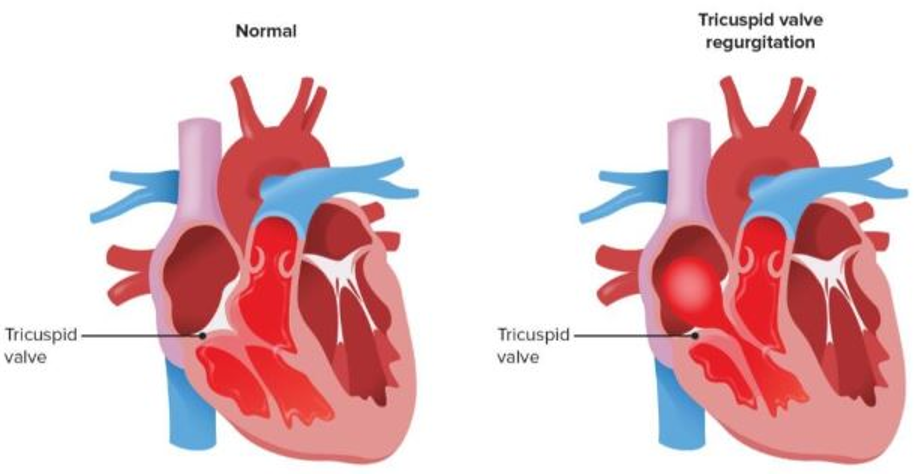
The structural heart disease team at Jersey Shore University Medical Center are now providing procedures repairing patients’ tricuspid heart valves, utilizing first-of-their-kind treatment devices. Treatment for leaking tricuspid valves, known as tricuspid regurgitation (TR), has previously been limited to medication therapy or open heart surgery depending on the severity of regurgitation. The heart experts are implanting the novel devices TriClip™ transcatheter edge-to-edge repair system (TEER) or the EVOQUE transcatheter tricuspid valve replacement system (TTVR).
TR is a condition in which the valve between the two right heart chambers (right ventricle and right atrium) don’t close properly, allowing blood to flow backward into the right atrium of the heart. Traditionally, the only treatment options for TR have been surgery, which is rarely performed due to the complexity of the procedure and high risks involved, and medical therapy, which is usually unsuccessful in reducing TR. The new devices provide a much-needed treatment option for people suffering from this condition.
The repair systems are delivered minimally invasively to the heart via a catheter inserted through the femoral vein in the leg. Designed specifically for the right side of the heart and the tricuspid valve’s complex anatomy, this minimally invasive approach allows the heart to pump blood more efficiently and relieve symptoms of TR, which improves the quality of life for patients. Hackensack Meridian’s comprehensive cardiovascular services leader in northern New Jersey, Hackensack University Medical Center - Structural and Congenital Heart team participated in TriClip and EVOQUE device trials and as a result, were early adopters of the procedures.