
What you need to know
Investigators from Hackensack University Medical Center’s John Theurer Cancer Center confirmed that cryopreserved stem cells collected before a first stem cell transplant to treat multiple myeloma are just as viable and potent for use in a second "salvage" transplant up to 20 years later when a patient experiences a relapse of the disease.
The study, published in the Journal of Transplantation and Cellular Therapy, is the first to compare outcomes of initial and salvage transplants in the same patients.
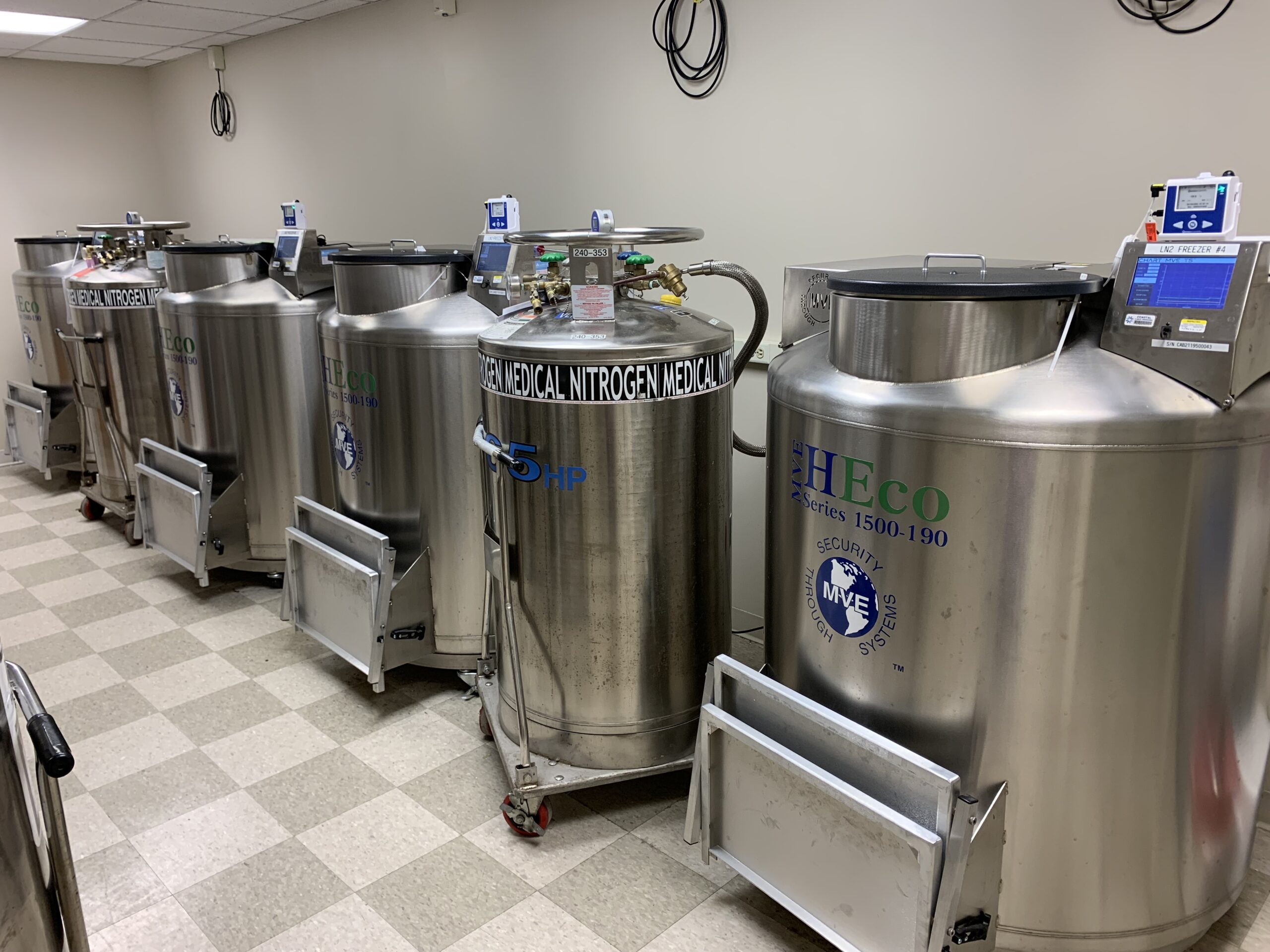
Autologous stem cell transplantation is a commonly used treatment for multiple myeloma. Multiple myeloma often comes back despite initial treatment, but it may not be for several years. For this reason, treatment guidelines recommend that enough stem cells are collected before the first transplant to support two transplants. The cells are frozen and stored in a vapor-phase liquid nitrogen refrigerator for storage below -150°C.
About the Study
The study investigators assessed outcomes in 89 patients who received an initial stem cell transplant for multiple myeloma as well as a salvage transplant for relapsed disease at John Theurer Cancer Center between 2000 and 2021. The median period of time between the initial collection of the cells and the salvage transplant was 5.4 years, with some patients not receiving the second transplant until up to 19.7 years later. The researchers found that the amount of time it took for patients' bodies to rebuild their levels of neutrophils and platelets was not significantly different between the first and salvage transplants.