
What You Need To Know
Clinical Contributor: Rosario Ligresti, M.D., FASGE, Chief of Gastroenterology, HUMC

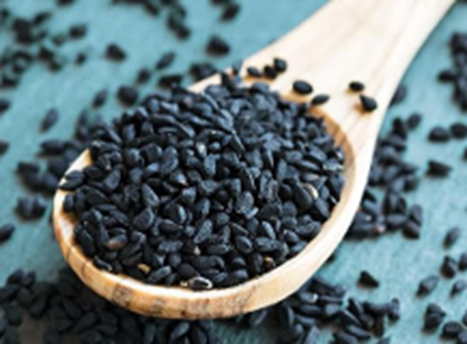
Nigella sativa, also known as black cumin and black seed, is a spice that grows in the Mediterranean region and in Western Asian countries including India, Pakistan and Afghanistan. It has been used in cooking for thousands of years and has a strong aroma and a flavor profile that has notes of onion, oregano, and black pepper.
In 1963, the main bioactive constituents of black seed were identified as thymoquinone, thymol and dithymoquinone. However, the chemical composition is diverse and contains amino acids, proteins, carbohydrates, fixed and volatile oils, alkaloids, saponins and many other yet to be characterized compounds. Thymoquinone is anti-inflammatory, pro-apoptotic, and cell-regulatory. Does it work in the treatment of pancreas cancer? The answer is yes.
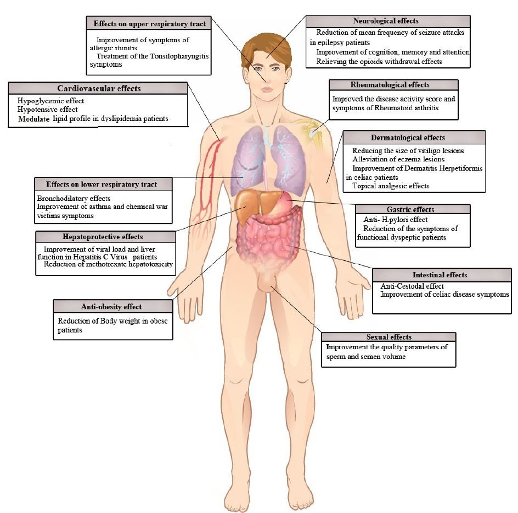
Black cumin, in the form of essential oil, paste, powder, and extract, has been indicated in traditional medicine for many diseases/conditions, such as asthma, bronchitis, rheumatism, headache, back pain, anorexia, amenorrhea, paralysis, inflammation, mental debility, eczema, and hypertension, to name a few. These traditional uses of N. sativa seeds are largely attributed to their wide array of medicinal properties, including antioxidant, anti-inflammatory, immunomodulatory, anticancer, neuroprotective, antimicrobial, antihypertensive, cardioprotective, antidiabetic, gastroprotective, and nephroprotective and hepatoprotective properties. It has been used as a lactogogue, carminitative and antihelminthic agent. The seeds have also been used as diuretics, anti-hypertensive, muscle relaxants and as immunity enhancers. The graphic below only hints at the many benefits attributed to this amazing plant:
Thymoquinone (and black seed generally) is considered safe for human consumption. Two groups of patients that should not consume it are pregnant patients (it can cause uterine contractions) and pediatric patients (it can affect the development of bone and teeth). Although side effects have rarely been reported on most organ systems, thymoquinone can more frequently cause gastric intolerance with the following manifestations: epigastric pain, abdominal cramps, flatulence, nausea, vomiting, and anorexia. Diarrhea or constipation may rarely occur. It also interacts with a number of drugs.
Nigella sativa products are available in seed form, as well as essential oil, extract, powder, or capsules. Commercial product purity is highly variable and, at a minimum, should provide at least 5-10% thymoquinone content. If in the oil form, it must be cold-pressed. Higher concentrations are likely to lead to gastrointestinal side effects.
In conclusion, preclinical studies, in vitro and in vivo, show a strong therapeutic potential of black seed (and obviously thymoquinones) against pancreatic cancer but the data are still scarce. In addition, more bioactive and bioavailable synthetic analogs of thymoquinones are certainly possible, especially in nano-particle delivery systems. Further pre-clinical and clinical research to assess the health benefits of thymoquinones and black seed is urgently needed but the future is bright!