
What You Need To Know
Screening for Pancreatic CancerRosario Ligresti, M.D., FASGE
Chief of Gastroenterology, HUMC

November is pancreatic cancer awareness month. With incidence rates for pancreatic cancer increasing since 2001, it is now the 4th leading cause of cancer death for men and women in the United States. Most pancreatic cancer patients present with advanced disease. However, the U.S. Preventive Services Task Force recommends against screening for pancreatic cancer in asymptomatic adults. This is because pancreatic cancer is rare in the general population, making screening not particularly useful or cost-effective for everyone. Despite this, in certain populations, pancreatic cancer screening is important.
Click the link below to learn more about who we screen, when we should start screening, and why screening is important.
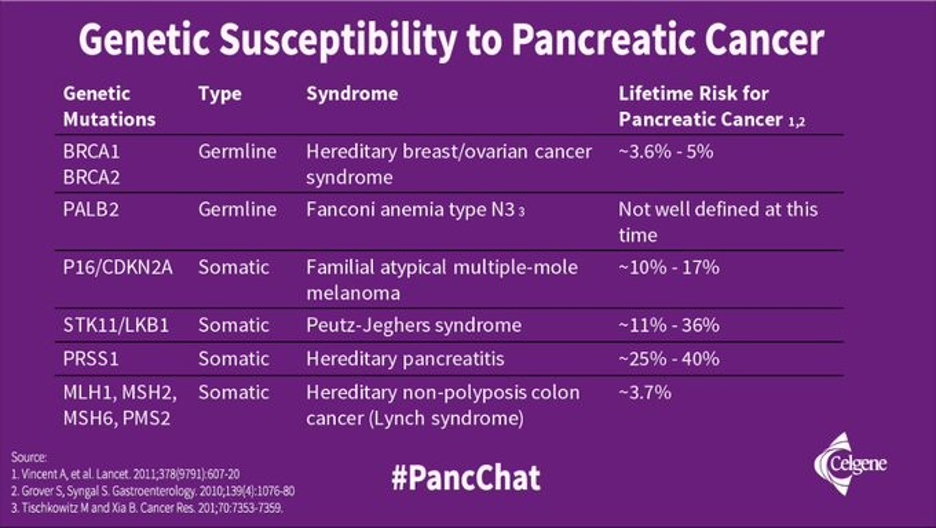
The American Society for Gastrointestinal Endoscopy has published guidelines on who should be screened annually. This includes patients on the list above as well as patients with two first-degree relatives with pancreatic cancer. A new group that is being evaluated is the new-onset diabetes group- any patient who develops diabetes after the age of 50.
Screening should be done annually and start at ages 35-50, or 10 years earlier than the youngest relative with pancreatic cancer.
Recommended onset of screening:
- Age 50 or 10 years younger than the initial age of familial onset.
- Age 40 in CKDN2A and PRSS1 mutation carriers.
- Age 35 in patients with Peutz-Jeghers syndrome.
Screening/surveillance intervals:
- Twelve months if no lesions.
- Six to 12 months for low-risk lesions (as determined by multidisciplinary teams).
- Three to 6 months for high-risk lesions if surgery is not performed.
Patients should be screened using MRI or endoscopic ultrasound. New blood biomarker tests are currently being evaluated, which have so far been found to be highly sensitive at detecting early-stage pancreatic cancer in asymptomatic, high-risk individuals.
This November, remind patients to get screened, especially if they meet the above criteria.
If you see patients who might benefit from high-risk screening, please refer them to our High-Risk Pancreas Cancer Screening Program at 551-996-3091. We see patients every Wednesday! Dr. Ligresti’s program, the first and largest in New Jersey, is part of the International PRECEDE early-pancreas cancer detection study and a National Pancreas Foundation Center of Excellence.