
What You Need To Know
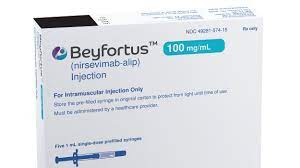
The Centers for Disease Control and Prevention (CDC) is issuing this Health Alert Network (HAN) Health Advisory to provide options for clinicians to protect infants from respiratory syncytial virus (RSV) in the context of a limited supply of nirsevimab, a long-acting monoclonal antibody immunization product recommended for preventing RSV-associated lower respiratory tract disease in infants. In the context of limited supply during the 2023–2024 RSV season, CDC recommends prioritizing available nirsevimab 100mg doses for infants at the highest risk for severe RSV disease: young infants (age <6 months) and infants with underlying conditions that place them at highest risk for severe RSV disease. Recommendations for using 50mg doses remain unchanged at this time. Avoid using two 50mg doses for infants weighing ≥5 kilograms (≥11 pounds) to preserve supply of 50mg doses for infants weighing <5 kilograms (<11 pounds). Providers should be aware that some insurers may not cover the cost of two 50mg doses for an individual infant. CDC further recommends that providers suspend using nirsevimab in palivizumab-eligible children aged 8–19 months for the 2023–2024 RSV season. These children should receive palivizumab per American Academy of Pediatrics (AAP) recommendations. Nirsevimab should continue to be offered to American Indian and Alaska Native children aged 8–19 months who are not palivizumab-eligible and who live in remote regions, where transporting children with severe RSV for escalation of medical care is more challenging or in communities with known high rates of RSV among older infants and toddlers. Prenatal care providers should discuss potential nirsevimab supply concerns when counseling pregnant people about RSVpreF vaccine (Abrysvo, Pfizer) as maternal vaccination is effective and will reduce the number of infants requiring nirsevimab during the RSV season.
Recommendations for Healthcare Providers
These interim recommendations apply to healthcare settings with limited nirsevimab availability during the 2023–2024 RSV season. Interim recommendations are subject to change as new evidence becomes available.
- For infants weighing <5 kg, ACIP recommendations are unchanged. For infants born before October 2023, administer a 50mg dose of nirsevimab now. For infants born during October 2023 and throughout the RSV season, administer a 50mg dose of nirsevimab in the first week of life.
- For infants weighing ≥5 kg, prioritize using 100mg nirsevimab doses in infants at highest risk of severe RSV disease:
- Young infants aged <6 months.
- American Indian and Alaska Native infants aged <8 months.
- Infants aged 6 to <8 months with conditions that place them at high risk of severe RSV disease: premature birth at <29 weeks’ gestation, chronic lung disease of prematurity, hemodynamically significant congenital heart disease, severe immunocompromised, severe cystic fibrosis (either manifestations of severe lung disease or weight-for-length less than 10th percentile), neuromuscular disease or congenital pulmonary abnormalities that impair the ability to clear secretions.
- In palivizumab-eligible children aged 8–19 months, suspend using nirsevimab for the 2023–2024 RSV season. These children should receive palivizumab per AAP recommendations.
- Continue offering nirsevimab to American Indian and Alaska Native children aged 8–19 months who are not palivizumab-eligible and who live in remote regions, where transporting children with severe RSV for escalation of medical care may be challenging, or in communities with known high rates of severe RSV among older infants and toddlers.
- Follow AAP recommendations for palivizumab-eligible infants aged <8 months when the appropriate dose of nirsevimab is not available.
- Avoid using two 50mg doses for infants weighing ≥5 kilograms (≥11 pounds), because 50mg doses should be reserved only for infants weighing <5 kilograms (<11 pounds), for example those born during the season who will be at increased risk for severe RSV illness because of their young age. Furthermore, providers should be aware that some insurers may not cover the cost of two 50mg doses for an individual infant.
- Providers should encourage pregnant people to receive RSVpreF vaccine (Abrysvo, Pfizer) during 32 weeks’ gestation through 36 weeks and 6 days’ gestation to prevent RSV-associated lower respiratory tract disease in infants. Only the Pfizer RSVpreF vaccine (Abrysvo) is approved and recommended for use in pregnant people. The GSK RSVpreF3 vaccine (Arexvy) should not be used in pregnant people.
- Either RSVpreF vaccination or nirsevimab immunization for infants is recommended to prevent RSV-associated lower respiratory tract disease in infants, but administration of both products is not needed for most infants.